
Are Smart Helmets Worth It? Pros, Cons & Future Trends
Smart helmets motorcycle helmets with built-in tech like Bluetooth comms, cameras, crash detection and even HUDs (heads-up displays) have moved from niche prototypes into real products you can buy today. But are they worth the price and tradeoffs? Below I break down what they do, the real benefits and downsides, where the tech is headed, and why BGA is a great place to pick one up if you want the best quality for the best price.
What is a “smart helmet”?
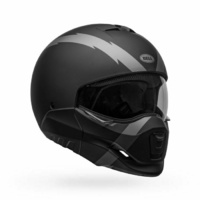
A smart helmet adds electronics to a conventional helmet shell: Bluetooth intercom and audio, integrated microphones/speakers, incident detection and e-call features, front/rear cameras or dash-cam functionality, and in high-end models an AR HUD that projects navigation, speed and alerts into your field of view. Some systems are fully integrated by helmet makers; others are modular add-ons that attach to existing helmets. SENA+1
The biggest pros (why riders choose them)
- Reduced distraction / better situational awareness (HUD & audio): An HUD can display turn-by-turn directions and speed without forcing you to look down at a phone or bike dash, which helps keep eyes on the road. Recent commercial HUD integrations from major helmet makers show this is becoming practical. TechRadar
- Hands-free communication and navigation: Built-in intercoms and voice assistant support mean you can take calls, get navigation prompts or chat with fellow riders without fumbling phones. This is especially useful on tours and group rides. SENA
- Crash detection and emergency response: Many systems include accelerometers and software that can detect a crash and trigger an emergency call (or at least alert a paired phone). For solo riders this can be lifesaving. Scribd+1
- Video documentation: Integrated cameras or helmet-mounted dash cams record rides for insurance, training, or sharing. This can help after incidents where fault is disputed. amazon.com
The real cons (what to watch out for)
- Cost: Smart helmets and fully integrated models are substantially more expensive than basic helmets. Premium HUD-equipped helmets can cost multiples of standard ECE/DOT helmets a real barrier for many riders. TechRadar
- Weight, bulk, and battery life: Added electronics and batteries can make helmets heavier or bulkier; battery life also limits continuous features like cameras or HUDs. Heavier helmets can increase neck fatigue on long rides. SENA
- Complexity & maintenance: Firmware updates, charging, and electronics failure introduce maintenance needs that regular helmets don’t have. Repairs can be pricier and you must consider how integrated electronics affect crash-replacement policies. SENA
- Potential for distraction: Poorly designed UIs, intrusive notifications, or bright HUD elements could distract riders instead of helping them design quality matters a lot. Regulatory and human-factors testing around these interfaces is still evolving. PMC
- Safety certification considerations: The presence of electronics doesn’t automatically alter a helmet’s passive crash performance, but buyers should verify that the helmet still meets relevant standards (ECE 22.06, DOT, SHARP testing where applicable). Not all add-on HUD units are tested the same way as fully integrated helmets. ScienceDirect+1
When smart helmets make sense
- You do a lot of group rides and want reliable rider-to-rider comms.
- You tour long distances and value built-in navigation and emergency features.
- You document rides (vlogging, safety evidence) and want good onboard video.
- You’re an early adopter who values the convenience and can accept higher price/maintenance.
If you mostly commute short distances in traffic and prioritize light weight and low cost, a plain, high-quality non-smart helmet might still be the best choice.
Future trends to watch
- Visor-mounted AR HUDs get mainstream: Major brands are moving from stick-on units to visor-integrated nano-OLED HUDs that are less intrusive and better tuned for rider safety. Expect clearer displays and smarter context-aware alerts. TechRadar
- AI & sensor fusion: Research and prototypes are already combining cameras, radar/LiDAR, and AI to support lane-change warnings, collision alerts, and smarter crash detection moving towards “active” safety assistance for riders. PMC
- Better standards & testing: As smart helmets increase, certification bodies and researchers will produce more human-factors and safety guidance specific to HUDs and integrated electronics. That’s good for consumer safety. ScienceDirect
- Affordability & modular ecosystems: Market forecasts expect steady growth and more affordable models and modular upgrade kits, so smart features will become accessible to more riders over the next few years. technavio.com
Practical buying checklist
- Safety standard first: Confirm ECE / DOT / other relevant certifications.
- Try it on: Make sure the helmet fits well with the extra hardware fit effects both protection and microphone/speaker performance.
- Battery & charging: Check continuous recording/intercom runtime and recharge method.
- UI & voice control: Prefer well-implemented voice controls and minimal visual clutter for HUDs.
- Service & firmware updates: Buy a brand with solid software support and clear update practices.
- After-crash policy: Ask how electronics affect warranty and crash replacement.
Final verdict — are smart helmets worth it?
Yes, for many riders. If you tour, ride in groups, value hands-free navigation and emergency features, or want onboard video, a smart helmet can deliver real safety and convenience benefits. For budget commuters or riders who prioritize absolute lightness and simplicity, a traditional high-quality helmet may still be the better choice for now. As HUDs, AI features and prices improve, the balance will shift further toward smart helmets being the default for tech-minded riders. SENA+2TechRadar+2
Where to buy (recommendation)
If you want the best balance of quality and price, check out BGA they stock reputable smart-helmet brands and often bundle accessories, warranties and installation help so you get a well-supported product without overpaying. BGA also offers guidance on fit, firmware updates, and pairing, which matters a lot when you’re buying integrated tech.